
Building Standards, Ventilation and Electrics in a Scottish Bathroom
A bathroom is the room in your home where water, electricity and moisture meet, so it carries more rules than most. Scotland has its own building standards, and they differ from the ones used in England. This guide covers the parts that matter to homeowners: ventilation, fans and electrics. It does not replace advice from your council's building standards team or a qualified electrician, but it will help you ask better questions.
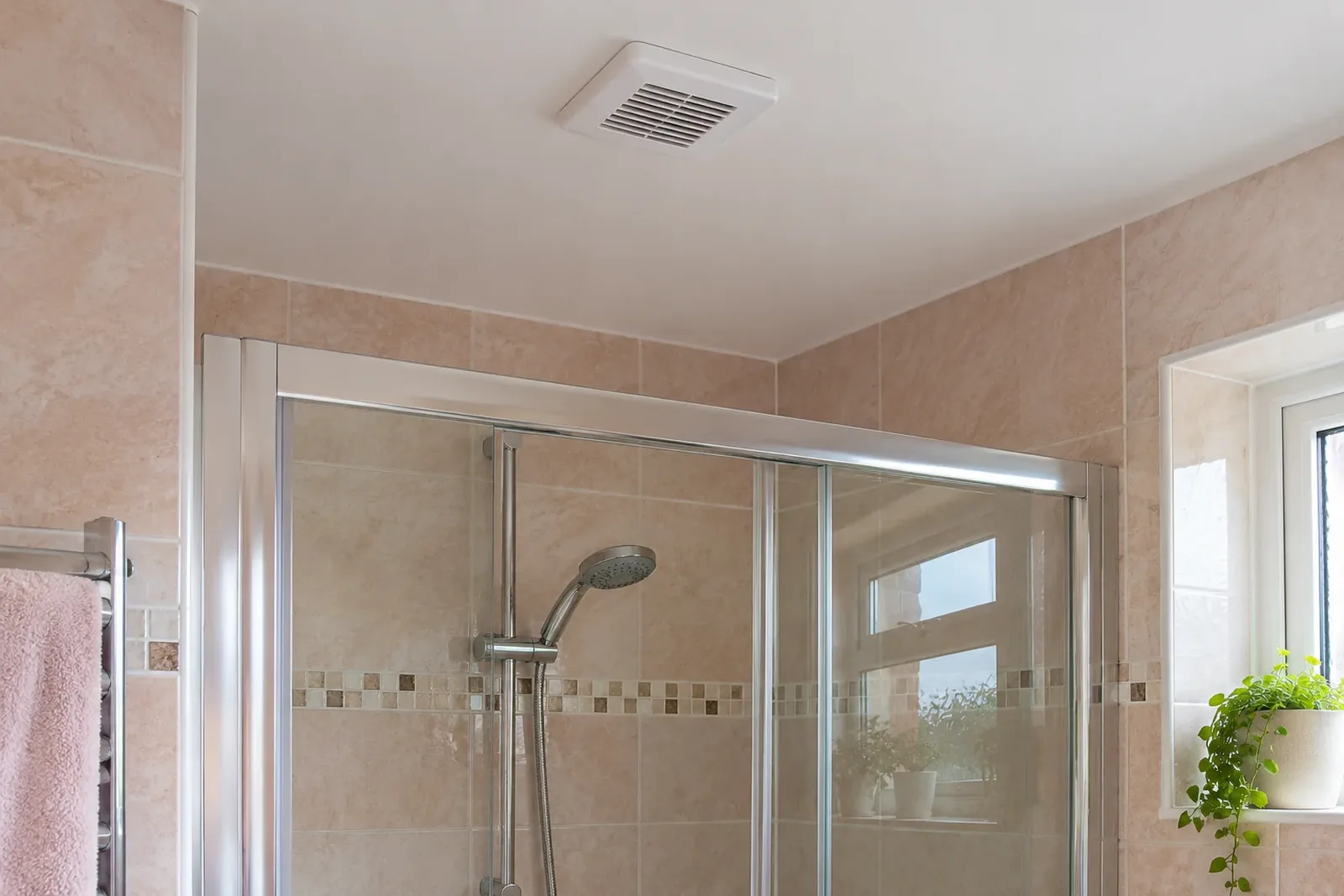
Why Scotland has its own rules
Building standards are set separately in Scotland, and your local council's building standards team is the body that deals with them. The Scottish Government publishes the technical handbooks, and the current domestic handbook is the 2022 edition.
Whether a bathroom job needs a building warrant or other notice depends on what you are changing. Putting a new suite in the same place is different from adding a bathroom, moving walls or changing drainage. Check with your council before work starts, and ask your installer who deals with it.
Why bathroom ventilation matters
Kitchens, bathrooms and utility rooms are the three areas in a home where most moisture is made. That damp has to go somewhere. Without ventilation it settles on walls and ceilings, and shows up as black spots, peeling paint and tired grout.
This is the main reason the standards care about air movement. A bathroom that is dry within a short time after a shower stays in better shape, whatever you have put on the walls.
What the ventilation standard asks for
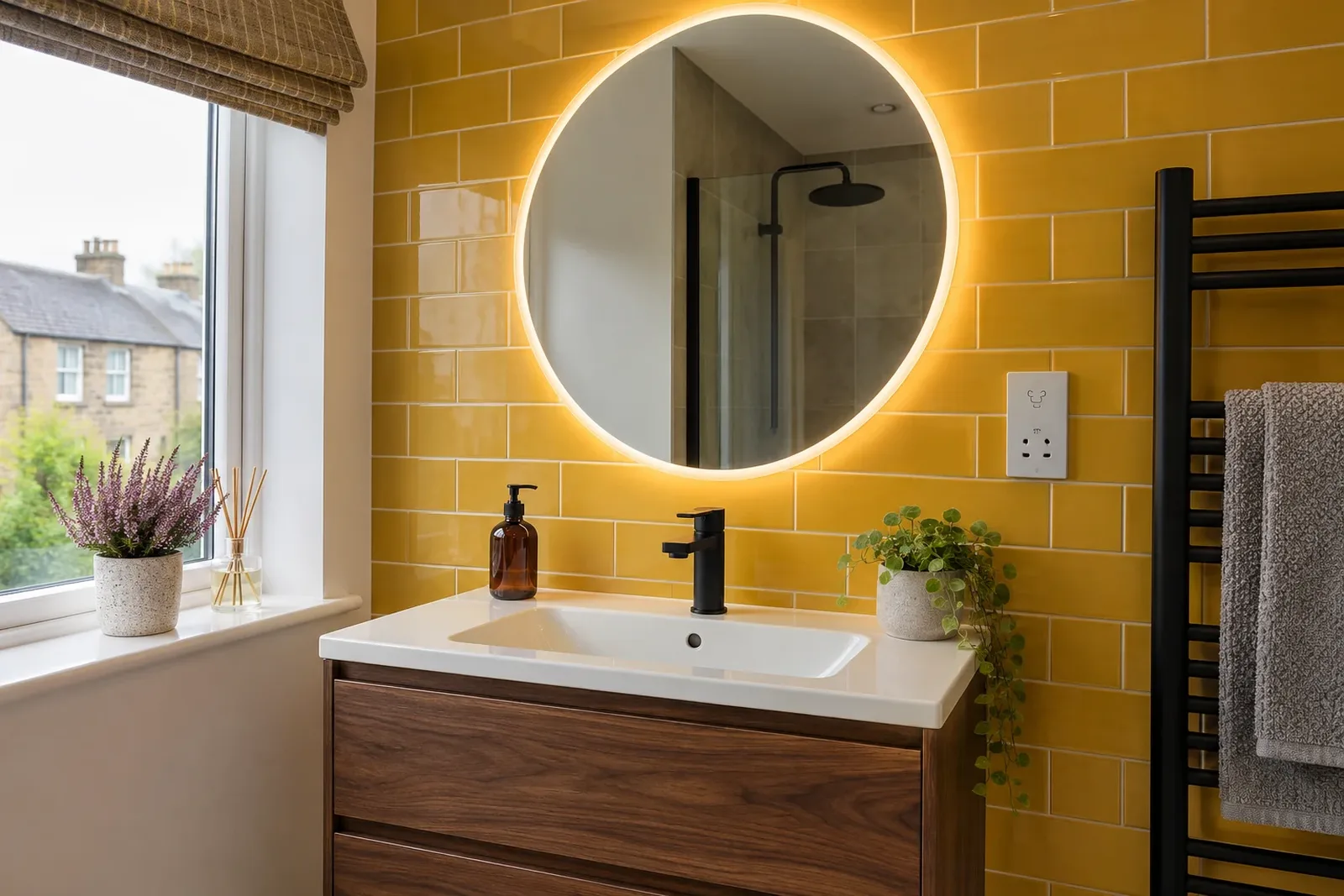
Standard 3.14 in the Domestic Technical Handbook 2022 covers ventilation. For bathrooms and shower rooms it asks for 10,000 mm2 of trickle ventilation, plus either mechanical extraction of at least 15 litres per second, used intermittently, or passive stack ventilation.
A decentralised continuous extract fan, which runs all the time at a low rate, is expected to give 4 litres per second continuously with a boost of 8 litres per second when needed.
These figures apply to the work the standard covers, and your installer or council can confirm how they apply to your own job. You should not have to work out airflow yourself. Ask for the fan to be specified for the room and ask where it will vent to.
Existing bathrooms and fans
Councils explain the rules for existing homes in their own guidance. Inverclyde Council says an extract fan does not have to be installed in an existing bathroom, though it recommends one. Clackmannanshire Council says a fan in a windowless bathroom must be wired through an isolator switch, which lets you switch the light and the fan independently.
Those are two councils' views, so check the guidance for your own area. Whatever the minimum is, we would put a fan in. It costs little compared with the rest of the job and protects everything you have just paid for.
Electrics in a wet room
Electrical work in a bathroom is special. Water and mains power do not mix, so there are rules on where sockets, switches, lights and fans can go and how they are protected. The work should be done and tested by a qualified electrician, who will tell you what can be installed where.
Before the first day, decide where you want your lights, shaver socket, heated towel rail and mirror lighting. Cables are run during the first fix, and moving them after the walls are boarded is a bigger job than it needs to be.
Ask who will test the circuits and what paperwork you will receive. Keep it with your house papers. For the order of the job, see our guide to bathroom installation step by step.
Questions for tenement and flat owners
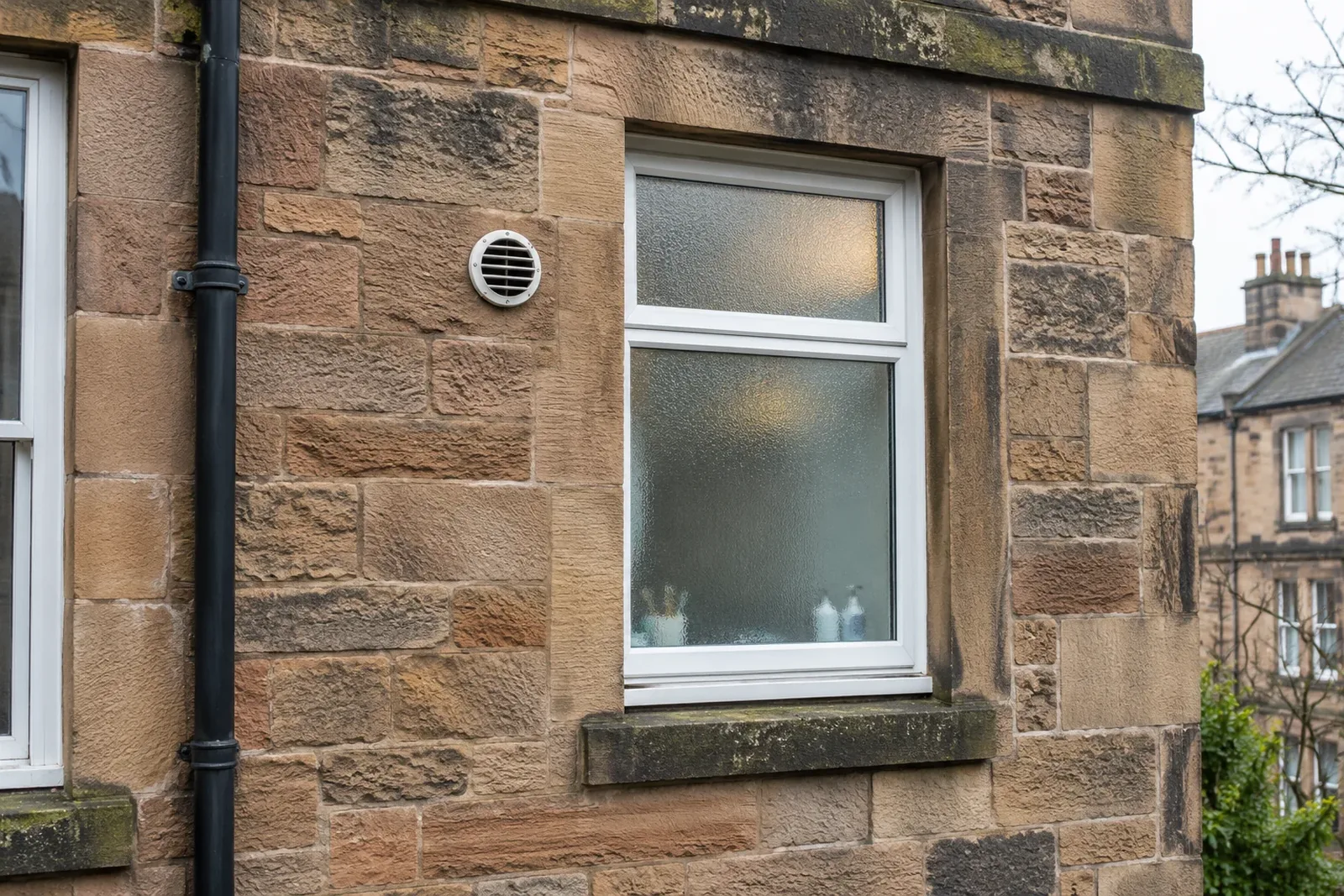
If you live in a flat, other owners are involved. Older tenement buildings often have shared lead pipework feeding the bathrooms above and below you. Extract ducting may also have to pass through shared parts.
The Tenements (Scotland) Act 2004 treats the site, foundations, outside walls and roof as shared property, unless your title deeds state something different. Check your title deeds before planning a duct through an outside wall, and talk to your neighbours early.
Put these questions to any installer you consider, and compare the answers. Our list of questions to ask before you hire a bathroom installer covers the rest.
Getting it all organised before work starts
A little paperwork planning helps. Before you sign anything, ask the installer to tell you in writing whether a warrant or notice is needed for your particular job, who will apply for it, and what happens to the start date if the council needs more time. Keep any reply from the council with your house papers, as a future buyer or their solicitor may ask for it.
It also helps to walk the room with your installer and point at where the fan will sit, where its duct will leave the building, and where each light and socket will go. Doing this on paper costs nothing. Doing it after the ceiling is boarded does. If you have a windowless bathroom, raise it first, because the fan matters most there and the wiring is slightly different. A clear plan means the electrician, the plumber and the tiler are not guessing.
Your next step
We install bathrooms across Scotland and plan the fan and the electrics as part of the job. To see how that fits in, see how our bathroom installation works. If you are in Aberdeen, our Aberdeen bathroom installation page covers your area.
Call now and tell us about your bathroom. We will explain what your room needs.
Common questions
Call nowDoes my bathroom need an extractor fan?
The standard asks for ventilation in new work. For an existing bathroom, councils differ in how they apply the rules, and Inverclyde Council recommends a fan even where it is not required. A fan is a sensible choice in almost every case.
Can anyone do the electrics in a bathroom?
The work should be done and tested by a qualified electrician, who knows the rules for wet rooms.
Where do I find the building standards for my area?
Your local council's building standards team deals with warrants and notices. The Scottish Government publishes the technical handbooks online.
Does a flat owner need permission from neighbours?
Not always, but common parts such as outside walls and shared pipes may be affected. Your title deeds say who owns what, so read them before work begins.